Every indie creator has a different journey.
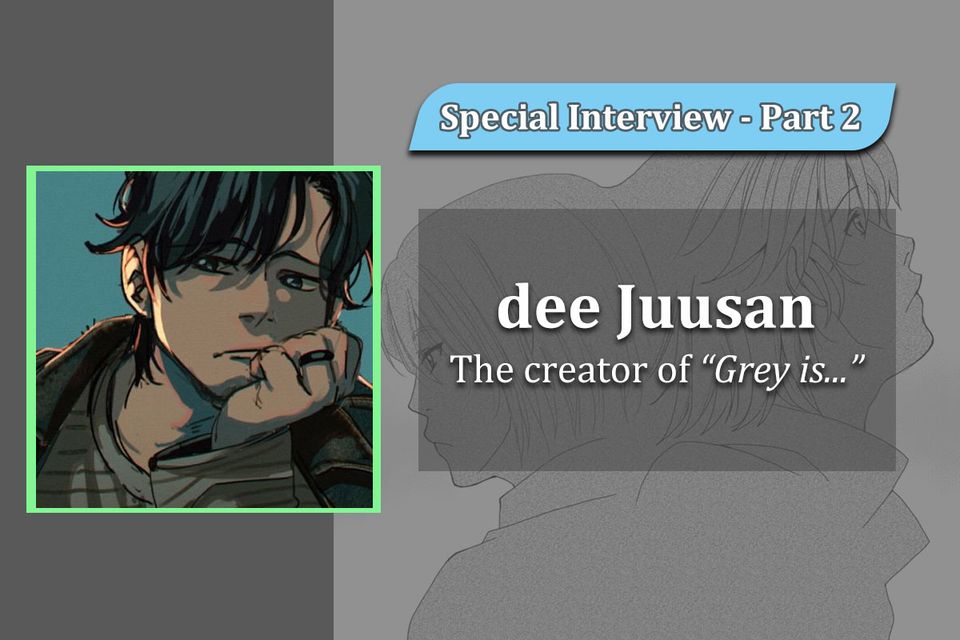
Jordan-based manga creator dee Juusan is best known for Grey is..., which received the Bronze Award at the 18th International Manga Award. Its spin-off, Grey is… Clippings, was also selected by the Jury of the 23rd Japan Media Arts Festival.
As indie manga reaches more readers around the world, creators have more opportunities than ever—but also new challenges to navigate.
In the second part of our interview, dee Juusan shares her thoughts on growing an international audience, multilingual publishing, indie manga, and the mindset that has guided her creative journey.
Missed Part 1? Read our first interview with dee Juusan, where we explore the emotions, characters, and storytelling behind Grey is....
Read the Full Interview – Part 1
KOMODO Manga & Comics:
Before building your audience as a creator, what was your first big opportunity as a manga artist, and how did it happen?
dee Juusan:
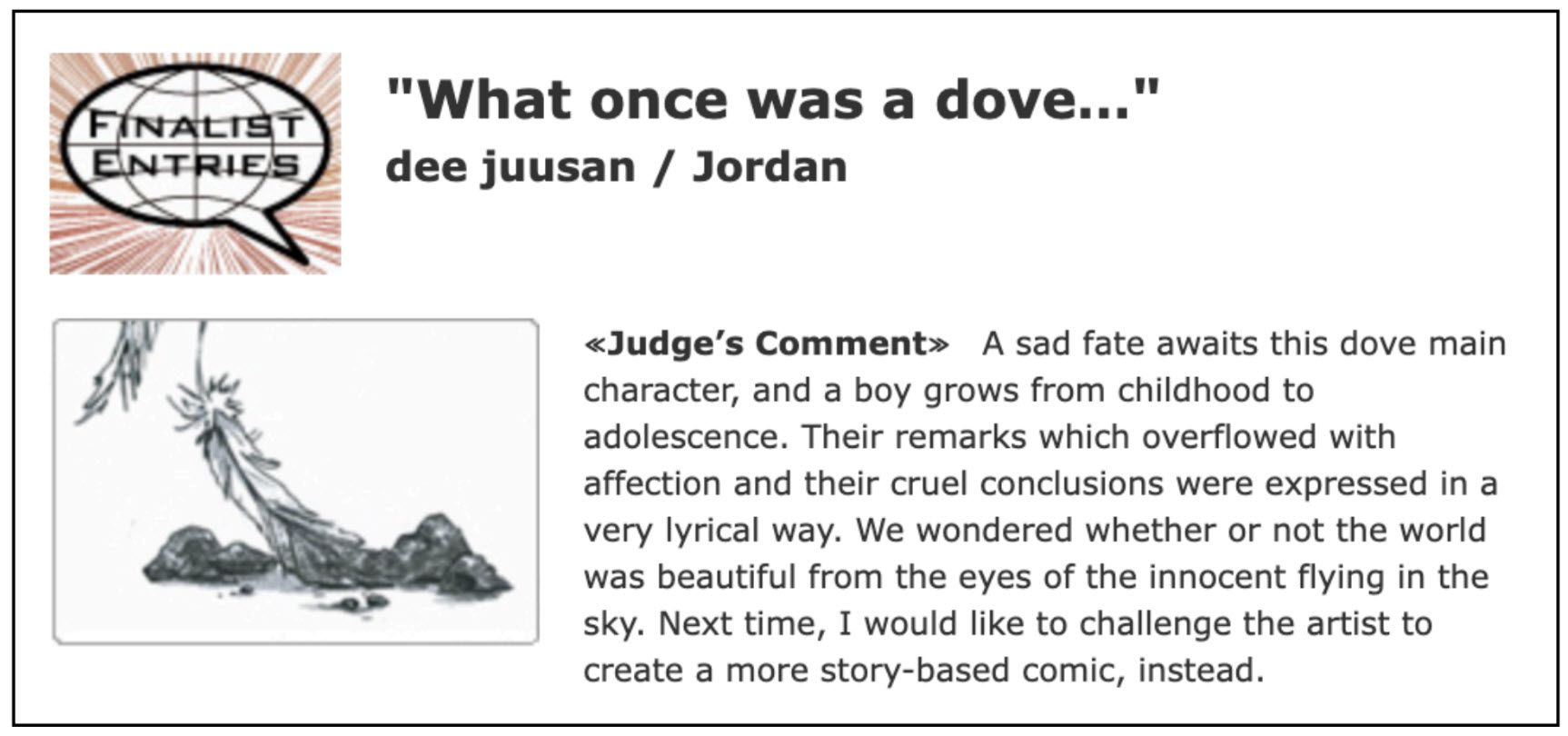
It’s quite an old one, and it might not be considered significant by either people or the industry’s standards, but I participated in the Morning International Manga Competition (MICC) run by Kodansha in 2012. My entry was a finalist, and the jury kindly complimented the art. That was the first time I properly finished a one-shot, attempting to write in my preferred allegorical style, and submitted it to a competition. Being a finalist felt like a huge pat on the back.
I still remember, with a smile on my face, how the jury ended their comment by saying, “Next time, I would like to challenge the artist to create a more story-based comic instead.” And here I am.
KOMODO Manga & Comics:
Not only in English-speaking countries, but across many parts of the world, you seem to have built a strong fanbase for your work. How did you grow your audience over time, and do you think there was a particular turning point or opportunity that helped your work reach more readers internationally?
dee Juusan:
Growing an audience as an indie creator is an endless pursuit. I try to post my work on all platforms, consider opportunities seriously, and update my website, story format, and presentation to keep up with the times. I don’t push myself to the point where it becomes a soulless grind, but I do stay attentive to what people enjoy and jump on trends when they align with my brand.
There have been many milestones, each helped to spread the story across the globe: participating in conventions abroad, having my work translated into Spanish, winning the Silent Manga Audition, joining Webtoon, and being selected by the jury of the 23rd Japan Media Arts Festival. Each of those opened doors to new audiences in different ways. If I had to point to one major turning point, it would be winning the International Manga Award in 2025. It brought a level of visibility that put the story on the map internationally and encouraged people to explore not only the work itself, but also the years of effort and milestones that led up to it.
One thing I've learned is that recognition has a greater impact when there's already a body of work behind it. Opportunities and awards can introduce people to your work, but it's the years of creating, experimenting, and building something meaningful that give those readers a reason to stay.
KOMODO Manga & Comics:
As an independent creator, what have been some of the biggest challenges in continuing to create manga while also making a living as an artist?
dee Juusan:
It's always the printing and shipping. Actually, everything outside of the drawing desk is challenging for me, to be completely honest.
Sometimes, even interacting with people feels like a challenge, because the older I get, the more I feel that art is the language that comes most naturally to me and the easiest way for me to communicate.
There have been a lot of losses and sacrifices along the way. I released Volume 8 in 2020 and shipped it worldwide, but then the whole world went into lockdown. I couldn't tell whether the shipments would eventually reach their destinations or not, so I decided to refund everyone. That was a very difficult year.
Printing manga in general was also a big challenge, especially when I started in 2010. At the time, there weren't many people in my country printing the medium, so I had to learn through trial and error. Every mistake came with a financial cost, and it took years of experimentation to reach a point where I could produce a book that I was satisfied enough with when I sell it.
I think being an independent creator means wearing many hats at once. Drawing the manga is only one part of the job; printing, shipping, production, communication, and business decisions all come with their own challenges.
I can't thank my readers enough for their continued support and trust throughout the years. Their patience and encouragement have made it possible for me to keep creating and sharing this story.
KOMODO Manga & Comics:
How do you feel about the current indie manga scene?
dee Juusan:
I try to keep an eye on it, but sometimes it's hard with all the things I need to take care of off- screen. However, I think it's exciting and in a better place than it's ever been. There are many more opportunities and entry points for indie creators today, but that's also something that worries me because it can lead to creators losing focus and to oversaturation in the field.
I truly believe indie creations, in any medium, are where you'll find what you're looking for if you're not finding it in the mainstream. I also feel like it's where creators find genuine inspiration and motivation to commit to their craft.
I think it's still a relatively young scene, and I hope it's taken seriously by publishers, but more importantly by creators themselves.
KOMODO Manga & Comics:
As a creator, are there any changes you would like to see in the manga industry, or any kinds of systems or support you wish existed for creators?
dee Juusan:
As an indie creator, I don't spend much time thinking about systems. The internet already gives creators more opportunities than ever before to share their work directly with readers, and that's something I really appreciate.
That said, one thing I would like to see in the manga industry as a whole is a more equal approach to marketing and promotion. There are certain genres, demographics, and types of stories that naturally receive more exposure than others, while many great works struggle to be discovered.
I think readers benefit from having access to a wider variety of stories, and creators benefit when they feel they can pursue the stories they genuinely want to tell. I'd love to see more effort put into helping different kinds of manga find their audience.
KOMODO Manga & Comics:
How did you feel when you first started receiving reactions from overseas readers?
dee Juusan:
It always fills me with feelings of appreciation, satisfaction and responsibility. Especially when it comes from countries in which English isn’t the native language.
KOMODO Manga & Comics:
What kind of possibilities do you see in having your work read in different languages?
dee Juusan:
My story, in its subject matter and themes -though not necessarily for everyone in its structure or narrative- can travel across different cultures and personalities relatively easy. At the same time, it comes from me: the person who is shaped by different cultures, experiences, and interests. So it carries its own distinct identity, just like any other creator's work.
What excites me most about having my work read in different languages is discovering interpretations and emotional responses that I never expected. It also helps me understand which parts of the story are universal and which are culturally specific.
I often notice these things in the jokes the characters make or the dynamics within families and how they interact with society, and that exposes me as a creator to new perspectives, which can influence my future storytelling.
Of course, it's exciting to think about international opportunities with publishers and other projects, but I'm equally interested in fan engagement and fan creations. As I mentioned earlier, art is the language that comes most naturally to me. Having readers from different backgrounds engage with the work through their own art is incredibly rewarding, because it reminds me that art really is a universal language.
KOMODO Manga & Comics:
What made you decide to join KOMODO Manga & Comics?
dee Juusan:
As an indie creator, you have to try and be everywhere, so I'm always on the lookout for different platforms to put my story in, while also running my own self-hosted website. At the end of the day, you want to be where the people who want to read stories are.
There's been a big boom of new platforms recently, which is great, but it also becomes a lot to think about and manage. What caught my attention about KOMODO Manga & Comics wasn't just what they were offering, but the people behind it. After our first meeting, I got the impression that they genuinely had creators in mind and wanted to build something that would support indie creators rather than simply provide another place to upload content.
They were open to feedback, willing to discuss concerns, and seemed serious about building a platform that values creative work and the people making it. As someone who spends a lot of time and effort creating stories, that's something I always pay attention to when deciding where to invest my time.
KOMODO Manga & Comics:
What aspects of KOMODO Manga & Comics made you feel it had potential? What were your thoughts on the multilingual support and community translation features?
dee Juusan:
KOMODO Manga & Comics is offering something that a lot of other platforms don't, especially not for free. The community translation feature is something that's been talked about for a long time within my community, and one that I see a lot of indie creators being interested in.
We often get emails from fans wanting to translate a series so they can share it with their friends, and that's not always an easy thing to manage. I think having a dedicated and easy-to-use translation feature, while also keeping all the different language versions connected on the same page, is a really great thing to have. It has the potential to help stories reach more readers while making the process easier for everyone involved.
KOMODO Manga & Comics:
For indie works, how important do you think it is to connect with new readers?
dee Juusan:
It's one of the most important things to pursue.
Stories live and die by their readers, and in the current landscape, word of mouth is one of the most effective and essential ways for a series to grow. To achieve that, readers need to have an emotional investment in the work. That connection is often born from the story itself, but it can also come from their relationship with the creator behind it.
The stronger that connection is, the more likely readers are to share a series with others, support it, and stick with it for the long term.
KOMODO Manga & Comics:
How do you feel about the future of indie manga?
dee Juusan:
Hmm, I often wonder about that.
The interest in indie manga is growing from all over the world, and it’s something that many have hoped and worked for over a long time. It’s very exciting indeed.
At the same time, I do hope that creators take both the craft and their passion seriously without compromise, and understand the level of commitment it’s required to earn a publisher’s trust, and represent their work and work ethic professionally.
I also hope that publishers take this task responsibly and with balance, and move away from favouritism when evaluating indie works. The story itself should come first.
What matters to me most when it comes to indie stories, and what I feel distinguishes the indie scene from the mainstream publishing, is the creator’s raw voice and the journey which the work carries within its folds. There’s often a sense of personal expression that feels immediate and sincere.
There was a time when many people came to writing not as a career path, but as a calling... a need from within to express something. That’s the spirit I’ve always found in indie creations and fan works (doujinshi).
It's that sense of genuine creative necessity that continues to draw me to independent work and gives me hope for its future.
KOMODO Manga & Comics:
Is there anything you’d like to challenge yourself with in the future?
dee Juusan:
Writing an efficient and concise manga series, something around two or three volumes in length, is something I really love to do. I sense that it’ll be a real challenge for me, as someone who gets lost in the details and becomes intoxicated by the thrill of delving deeper and deeper into every aspect of a characters’ journeys or the world they live in.
KOMODO Manga & Comics:
Do you have a message for creators who want to share their works with overseas readers in the future?
dee Juusan:
Speak your truth with respect, sincerity, and responsibility.
Don’t give up, no matter how slow the progress may seem, or how long it takes to build an audience.
Keep an open mind for criticism and learn from your readers, but also try to know yourself well enough to spot where to draw the line. Not every opinion needs to shape your work, and not every question needs to be answered. Listen, reflect and don’t dwell too much into it because in the end, we’re all works in progress.
Most importantly, try to have fun and enjoy the process. The journey of creating and sharing is,
sometimes, what matters more than any destination it may lead to.
Every indie story begins with a creator—but it grows through the readers who discover it, share it, and connect with it across languages and cultures.
At KOMODO Manga & Comics, we're building a place where those connections can happen. Whether you're looking to discover new stories or share your own with readers around the world, we hope you'll be part of the journey.